
Long-term lease or operating lease? Key differences in contract terms, down payment, maintenance, and contract termination
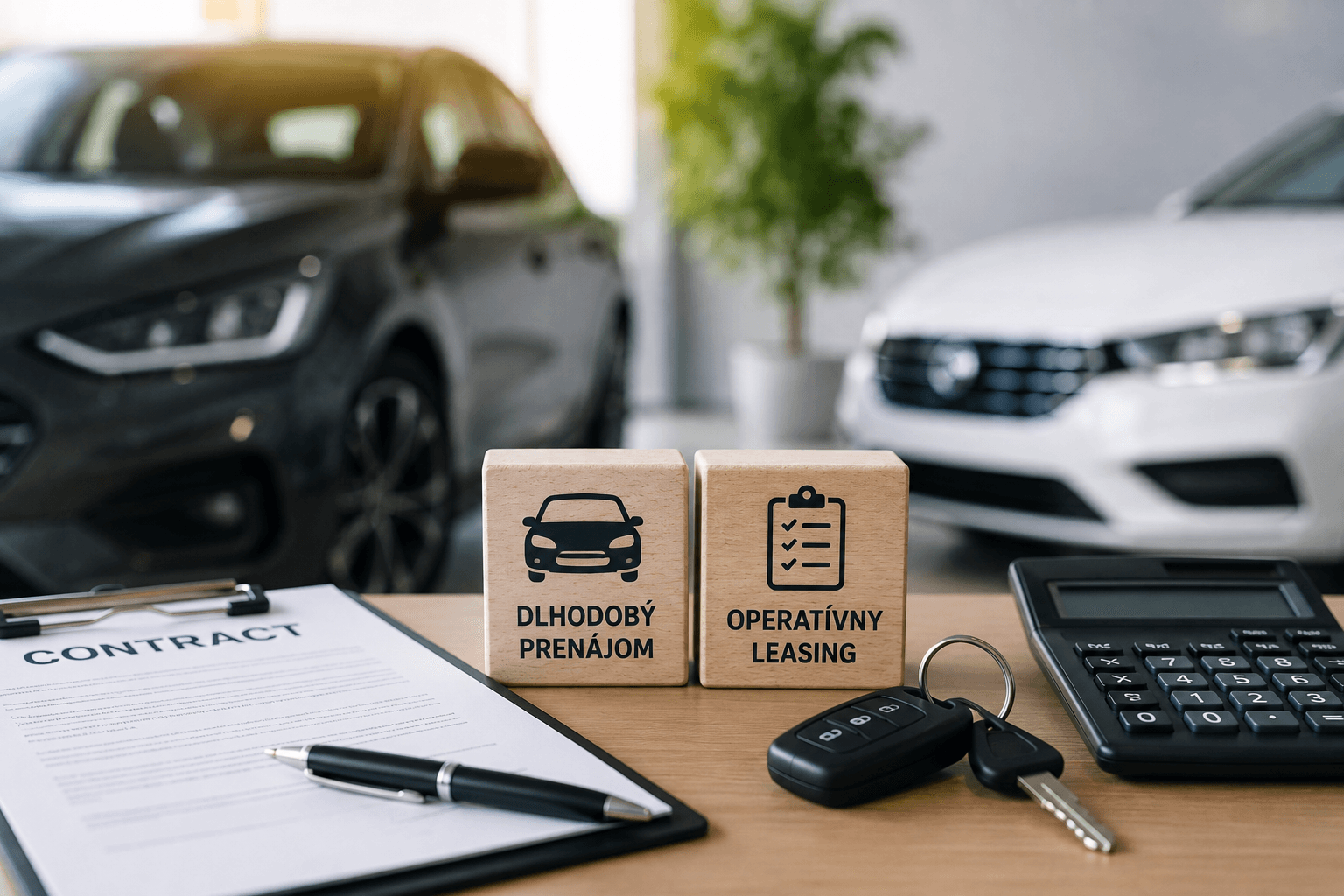
Deciding between a long-term car lease and an operating lease is one of the most common questions companies face when expanding or renewing their fleet. At first glance, both solutions may seem similar—a monthly payment, a new vehicle, and minimal hassle. In practice, however, they differ significantly in contract term, down payment requirements, the approval process, the scope of services, and termination options.
Choosing the right model affects not only costs but also business flexibility. A company that needs a vehicle for only a few months will
have completely different requirements than a company planning to maintain a stable fleet for several years.
In this article, we’ll compare in detail the various factors that should play a key role in your decision-making. You’ll gain a clear understanding of when a long-term car rental is more suitable and when an operating lease is a better value.
Long-Term Car Rental vs. Operating Lease – Key Differences
Although both solutions allow you to use a new vehicle without purchasing it, their underlying philosophies differ.
Long-term car rental is based on flexibility. It’s suitable for companies that need a vehicle for a few months or want the ability to easily adapt to changing needs.
Operating lease, on the other hand, is a long-term solution. It provides companies with stable monthly costs throughout the entire term of the contract and is ideal for companies with long-term planning.
Contract Commitment—The Biggest Difference Between the Two Solutions
Long-term car lease
One of the biggest advantages of long-term car leasing is the short commitment period.
Most often, the term ranges from a few months to one year. At the end of the lease, the company can simply return the vehicle, extend the lease, or choose a different model.
This solution is suitable, for example, for:
- seasonal projects,
- employee probation periods,
- replacement vehicles,
- short-term business growth.
Operating Lease
Operating leases are typically entered into for a term of 24 to 48 months.
During this time, the company uses the vehicle under the agreed terms. Early termination of the contract may involve additional costs or be subject to contractual conditions.
Down Payment – Is an Initial Investment Required?
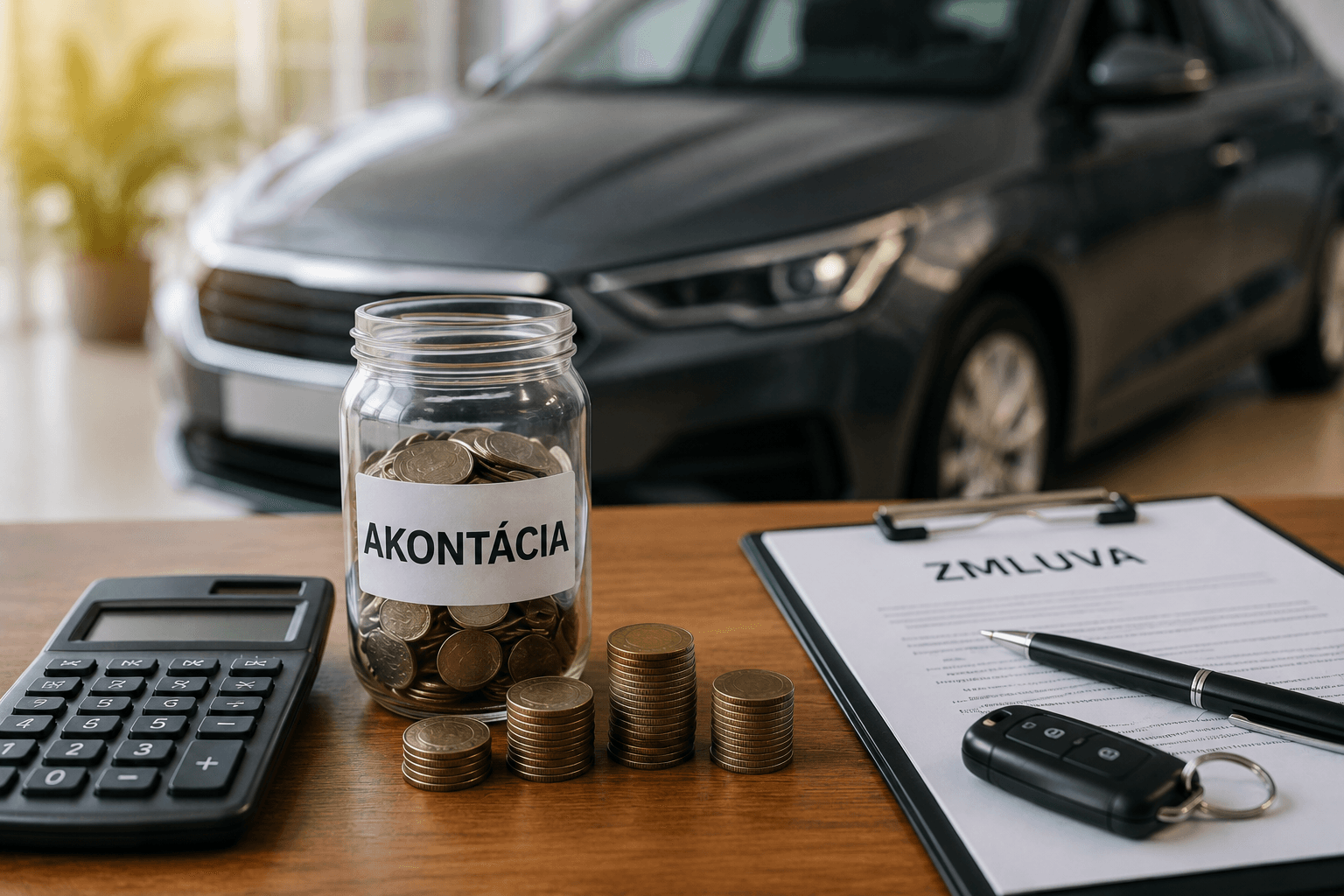
The initial investment also plays an important role in vehicle financing.
Long-term lease
In most cases, a large down payment is not required. The company begins using the vehicle practically immediately and pays a regular monthly fee.
This significantly conserves cash flow and allows the company to retain capital for business development.
Operating lease
Operating leases may also be available with no down payment or a minimal initial payment, though specific terms depend on the provider and the client’s creditworthiness. It is therefore important to compare the total costs and contract terms, not just the monthly payment amount.
Vehicle Service and Maintenance
One of the main reasons companies use modern forms of vehicle financing is to simplify fleet management.
With both solutions, the monthly payment typically includes a number of services.
Most commonly, these include:
- regular maintenance,
- mandatory contractual insurance,
- collision insurance,
- tire service,
- roadside assistance,
- claims handling.
The scope of services may vary depending on the specific plan, so it’s a good idea to compare what’s included in the monthly price.
Contract Approval and Administration
Long-term lease
The approval process is generally simpler and faster.
A company can obtain a vehicle quickly, which is especially valuable in the event of an unexpected expansion of the team or new orders.
Operating lease
Since this is a multi-year contractual relationship, the approval process may involve a more detailed assessment of the company’s financial situation and additional administrative steps.
On the other hand, it provides long-term stability and precisely defined terms throughout the entire lease period.
Termination of the Contract—Flexibility vs. Long-Term Commitment
The method of terminating the contract is one of the biggest differences.
With a long-term lease, the entire model is structured so that the company can simply continue using the vehicle, replace it, or return it at the end of the agreed-upon term.
Operating leases assume the vehicle will be used for the entire duration of the contract. Early termination is therefore less flexible and may be subject to additional conditions.
If a company cannot predict its future growth, this factor alone may determine the right choice.
How to Choose the Right Solution?
When making your decision, ask yourself a few basic questions:
- How long will you be using the vehicle?
- Do you need the option to quickly replace the vehicle?
- Do you expect your workforce to grow or change in size?
- Is flexibility more important to you, or are you looking to minimize long-term costs?
- Do you want to minimize administrative work?
If short-term needs and uncertainty prevail, long-term leasing is usually the better option.
If you have a stable fleet and plan to use the vehicles for several years, an operating lease can offer better operating economics.
Why choose AVIS Maxirent?
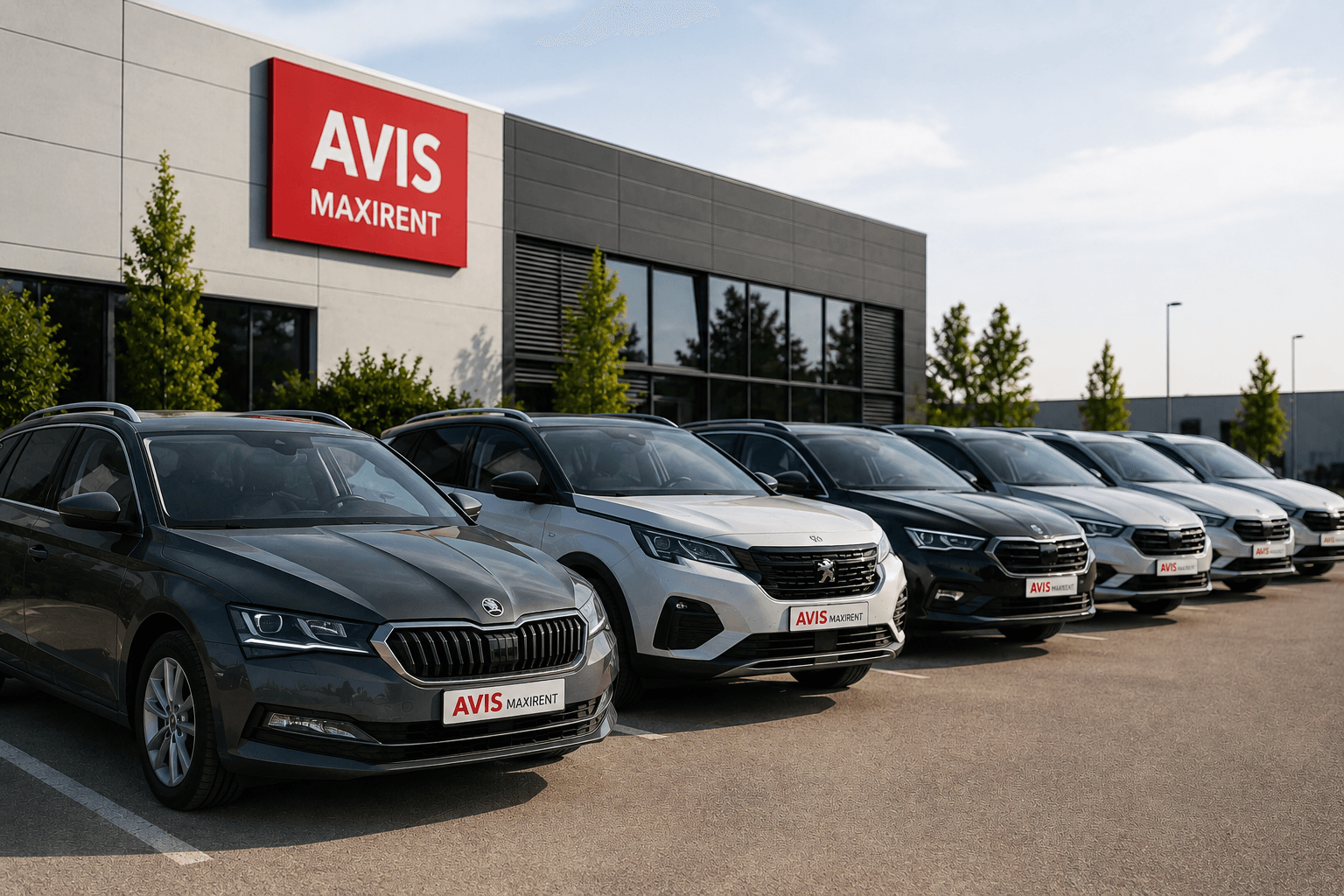
If your company needs a vehicle without a long-term commitment, AVIS Maxirent offers flexible long-term rental that adapts to your current business needs. For a single monthly payment, you’ll receive a vehicle ready for immediate use, along with services that simplify day-to-day operations.
This solution is ideal for companies working on seasonal projects, expanding their teams, needing replacement vehicles, or simply wanting to avoid tying up capital in vehicle purchases. Choosing the right financing model will help you optimize costs while maintaining the necessary flexibility.
FAQ
What is the main difference between long-term rental and operating lease?
The biggest difference lies in the commitment required by the contract. Long-term rental offers greater flexibility, while operating lease is intended for longer periods.
Is a down payment required for a long-term lease?
In most cases, no down payment is required, or it is minimal. Terms vary by provider.
Are maintenance and insurance included in the monthly payment?
Yes, in most programs, these services are included in the regular monthly payment.
Which solution is better suited for a growing company?
If a company anticipates changes or needs vehicles only for a specific period, a long-term lease is usually the better option.
Can I change vehicles at the end of the lease?
Yes. At the end of the lease, you can choose a different model or terminate the lease according to the terms of the contract.
TL;DR
- A long-term car lease offers greater flexibility and a shorter commitment period.
- Operating leases are suitable for long-term vehicle use.
- The main differences lie in the commitment period, administrative requirements, and options for terminating the contract.
- Both solutions may include maintenance, insurance, and other services.
- AVIS Maxirent provides flexible long-term car rentals tailored to the needs of modern businesses.