
Corporate Mobility Without Ownership: The "Car-as-a-Service" Model Is Gaining Momentum
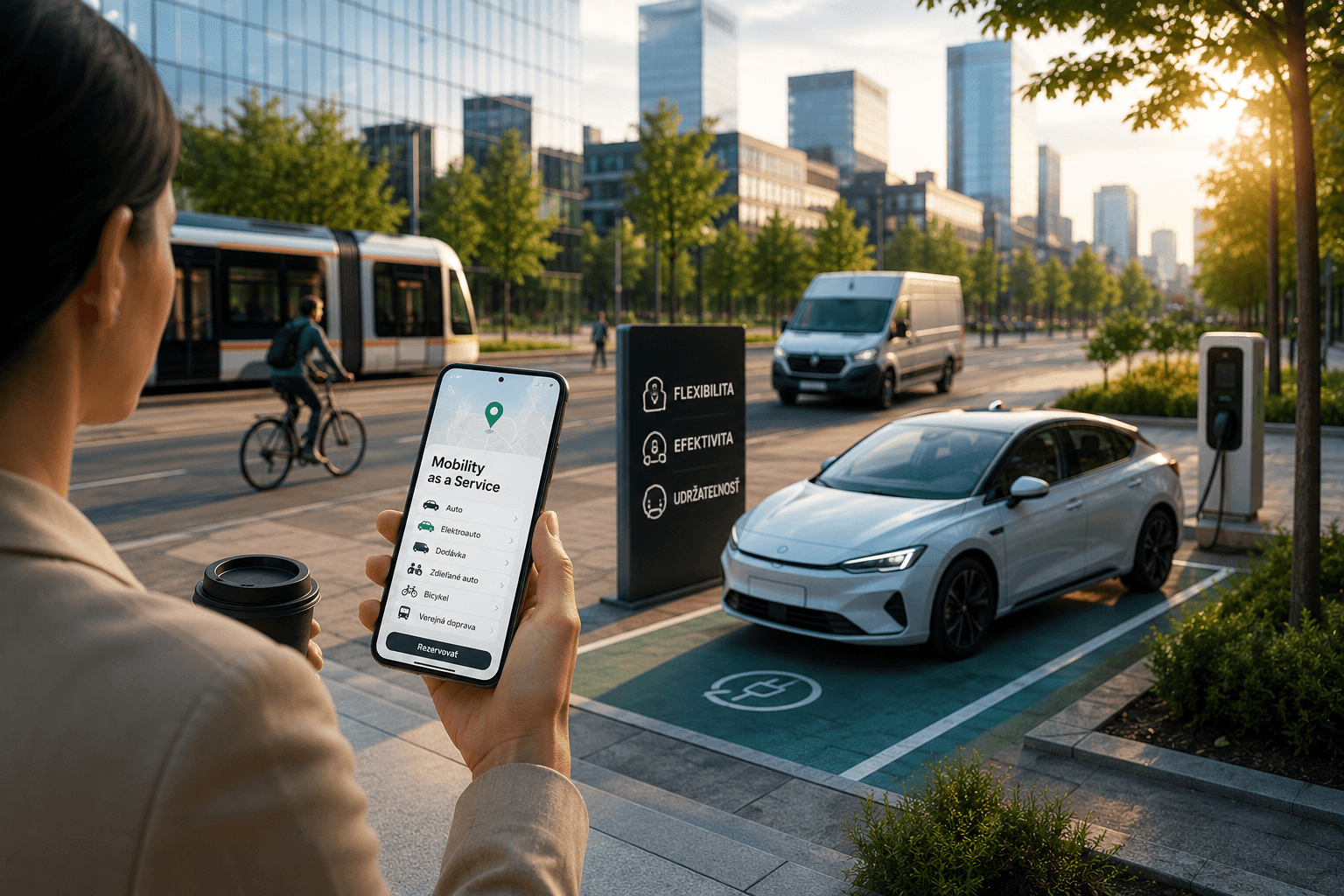
Owning company vehicles is no longer the only path to efficient employee mobility. More and more companies are switching to flexible models that allow them to use vehicles as a service instead of purchasing them outright. Mobility as a service is becoming one of the most significant trends in corporate mobility and is changing the way companies approach fleet management.
Rising vehicle acquisition costs, technological advancements, the electrification of transportation, and the need for greater flexibility are driving companies to seek more efficient solutions. The car-as-a-service model allows companies to use vehicles according to their current needs without tying up capital in assets. This gives companies better control over costs, simpler fleet management, and the ability to respond quickly to changing market conditions.
In this article, we’ll explore how the “mobility as a service” concept works, why it ranks among the most significant leasing trends of recent years, and what benefits it offers modern companies.
What Does Mobility as a Service Mean for Corporate Mobility?
The Mobility as a Service (MaaS) model is an approach in which a company does not invest in vehicle ownership but pays for their use as a service.
Just as companies use cloud solutions instead of their own servers, they can now use vehicles without having to purchase them.
This model includes:
- long-term vehicle rentals,
- operating leases,
- flexible vehicle swapping,
- service and maintenance,
- insurance,
- administrative support,
- support throughout the entire term of use.
The result is simpler mobility management without unnecessary administrative burdens.
Why Mobility as a Service Is Becoming a Leasing Trend
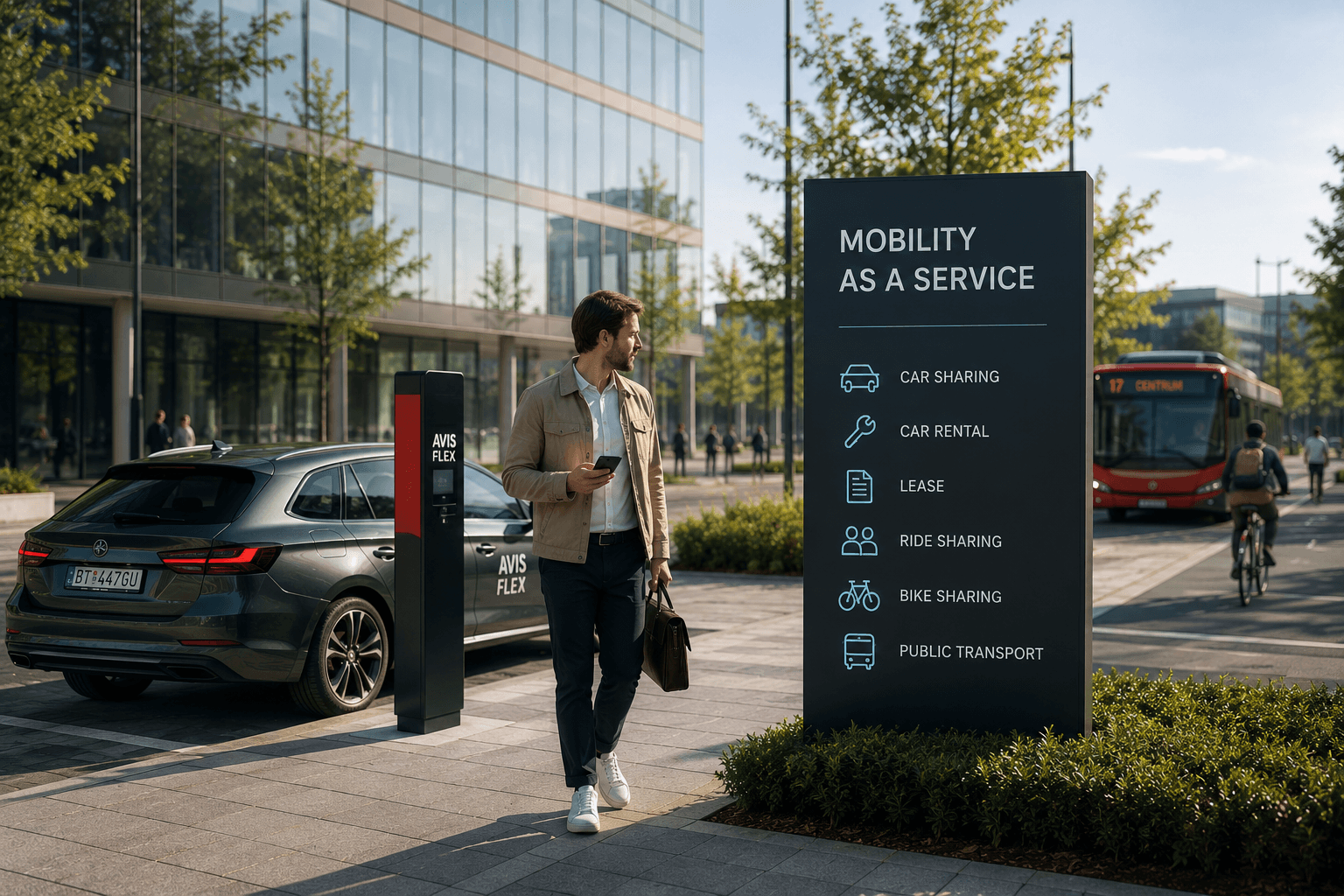
One of the main reasons for its growing popularity is the changing business environment. Companies need to respond more quickly than in the past while effectively managing their costs.
Greater flexibility
The number of employees, projects, and vehicle needs can change throughout the year. Flexible models make it easier to adapt the fleet to the current situation.
Less tied-up capital
Instead of a one-time investment in vehicle purchases, the company makes regular monthly payments, which improves cash flow and frees up capital for business development.
Predictable costs
Monthly costs tend to be stable and include most operational services, which makes budget planning easier.
What Are the Benefits of the Car-as-a-Service Model?
Corporate mobility without ownership is not just a financial decision. It is a comprehensive approach to fleet management.
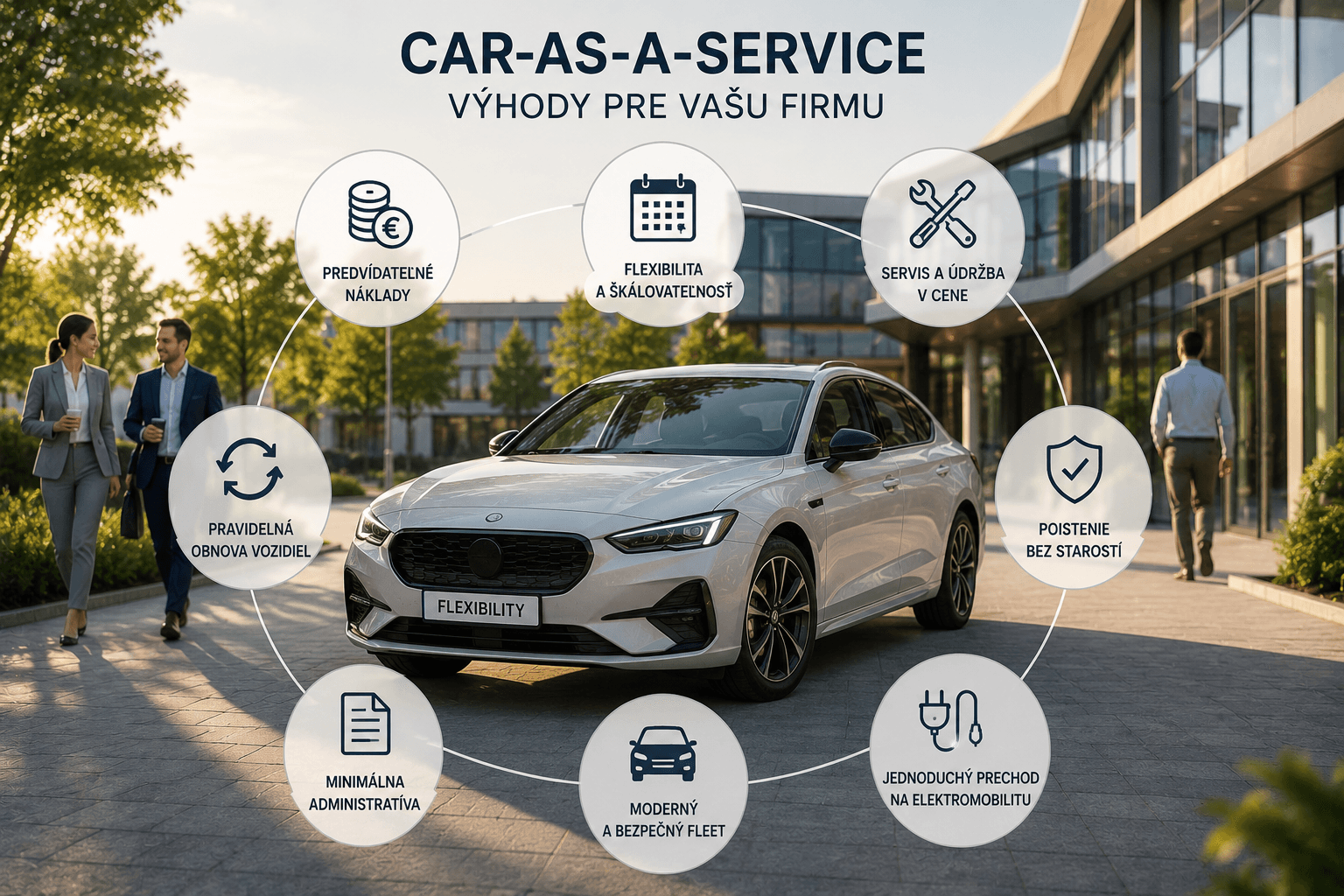
Key benefits
- simpler budget planning,
- less administrative work,
- a regularly renewed fleet,
- greater vehicle safety,
- easier transition to electric mobility,
- better control of operating costs,
- the ability to quickly swap out vehicles as needed.
When Is Mobility-as-a-Service Most Advantageous?
Not every company has the same mobility requirements. That’s why it’s important to assess where this model delivers the greatest value.
Most common uses
- sales teams,
- service technicians,
- project teams,
- seasonal fleet expansion,
- expanding companies,
- companies with multiple branches.
In these cases, flexible mobility can be more efficient than vehicle ownership.
How the Role of the Fleet Manager Is Changing
The modern fleet manager no longer just manages vehicles. They are becoming the steward of corporate mobility.
New responsibilities
- vehicle utilization analysis,
- cost optimization,
- fleet renewal planning,
- use of telematics data,
- sustainability assessment,
- collaboration with mobility providers.
Decision-making is increasingly based on data rather than just experience.
Trends That Will Shape Corporate Mobility
The future of mobility will be shaped by a combination of technology, digitalization, and sustainability.
Expected trends
- growth of electric mobility,
- digitization of fleet management,
- the use of artificial intelligence in planning,
- more flexible leasing models,
- greater automation of administrative tasks,
- integration of mobility with corporate data.
The car-as-a-service model will likely play an increasingly important role in building modern corporate fleets.
How to Prepare Your Company for the Transition to Non-Ownership Mobility
Before deciding to change your mobility model, it’s a good idea to conduct an internal analysis.
Checklist
✓ Analyze vehicle usage
✓ Identify actual operating costs
✓ Assess the need for flexibility
✓ Compare different financing models
✓ Set fleet renewal goals
✓ Regularly evaluate the efficiency of fleet utilization
This approach helps minimize risks and maximize the value of your mobility investments.
Conclusion
Corporate mobility is gradually shifting from ownership to a service model. The “mobility as a service” model offers companies greater flexibility, better cost control, and simpler fleet management. It is therefore no surprise that it ranks among the most significant leasing trends today.
Companies that are able to adapt to new mobility models will not only achieve more efficient vehicle utilization but also gain a greater ability to respond to the changing needs of the market and their employees.
FAQ
What does “mobility as a service” mean?
It is a model in which a company uses vehicles as a service without the need to own them.
What is the difference between car-as-a-service and vehicle ownership?
In the car-as-a-service model, a company does not invest in purchasing vehicles but pays for their use, including related services.
Why is mobility as a service a growing trend?
It offers companies greater flexibility, better cost planning, and simpler fleet management.
Is this model also suitable for smaller companies?
Yes. It can benefit both small and large companies depending on their mobility needs.
What services are typically included in car-as-a-service?
Most commonly, these include vehicle rental, service, maintenance, insurance, administrative support, and other ancillary services.
TL;DR
- Mobility as a service is changing the way corporate mobility is managed.
- Car-as-a-service allows companies to use vehicles without owning them.
- Flexible models improve cash flow and reduce administrative burdens.
- Companies gain better control over costs and fleet renewal.
- This leasing trend will continue to grow in the coming years.
- Corporate mobility is increasingly shifting toward services rather than ownership.