1. Production has shrunk, there are significantly fewer vehicles being produced, stock is dwindling. In 2020, we have seen new car production in Europe fall by more than 23%, taking more than 3 million vehicles off the production line. The emphasis is on ecology and safety, and this is also holding back the faster recovery of the automotive sector; the more eco-friendly and intelligent the cars are, the more pressure there is on microchips, which have unfortunately become a very scarce commodity. Analysts estimate that we will not reach pre-crisis figures in vehicle production volumes for another 2 years at the earliest. In addition to the shortage of factory staff and limited staff capacity that have forced production volumes down, car companies have also voluntarily reduced production due to uncertainty about future demand. They have ceased to produce vehicles for stock and are concentrating primarily on the production of vehicles to order. In addition to the aforementioned microchips, the supply of spare parts or components for vehicles to complete them is an increasing problem.
2. Vehicle prices are skyrocketing. Both new and used. Since the end of 2020, price rises have been seen in almost all sectors of the economy, and the automotive industry has been no exception. The fact that the price of new vehicles is rising is more or less a natural phenomenon; vehicles are becoming increasingly smart, contain expensive assistance systems, safety systems and, thanks to emission standards, must be increasingly environmentally friendly. All these factors are influencing their price growth. For example, while the price of the Skoda Octavia 3rd generation started at EUR 13,990 incl. VAT, the price of the 4th generation of this model is up to EUR 17,900. The reason for the rise in the price of used cars was simply the increased demand to buy them. Where there used to be 10 buyers for 1 vehicle, today there are 40. So why wouldn't you raise the price when you are almost certain that some of the interested buyers will be willing to pay even a higher amount.
3. The delivery of the vehicles has increased rapidly. You may even find that the car company cancels your order altogether and simply doesn't deliver the vehicle. This is a tribute to the reality and image of today. People have not changed in their patience and everyone needs everything right away and without waiting. It's just that the production and delivery of a new vehicle has taken 2 to 3 times longer compared to 2019. You can easily wait 6 or 8 months for a new vehicle. The car companies have limited capacity and they are explicitly choosing who they prefer to deliver and who they are willing to produce the vehicle to in the first place
Well, these are the facts that we have been counting on. The demand for rentals, whether ad hoc short-term for a weekend or a week, or long-term for a few months or a year, has grown enormously.
That is why, at the end of last year, we still took the risk, invested and bought vehicles, even though everyone around us was keeping their belts tight. But now we are reaping a huge advantage, because the cars are waiting for you already made in the warehouses of importers and after signing the order we will provide them to you in just a few working days needed only for transport, preparation and registration of the vehicles. And thanks to our rental service, we can even provide you with mobility within 24 hours.
SHORT-TERM RENTAL
In addition, we always order vehicles in high standard and equipment, with impressive motorisations and beautiful metallic colours.
And last but not least, every single week, we will provide you with a weekly update on our website www.avismaxirent.sk or social media to make your rental experience with AVIS MaxiRent even more enjoyable.
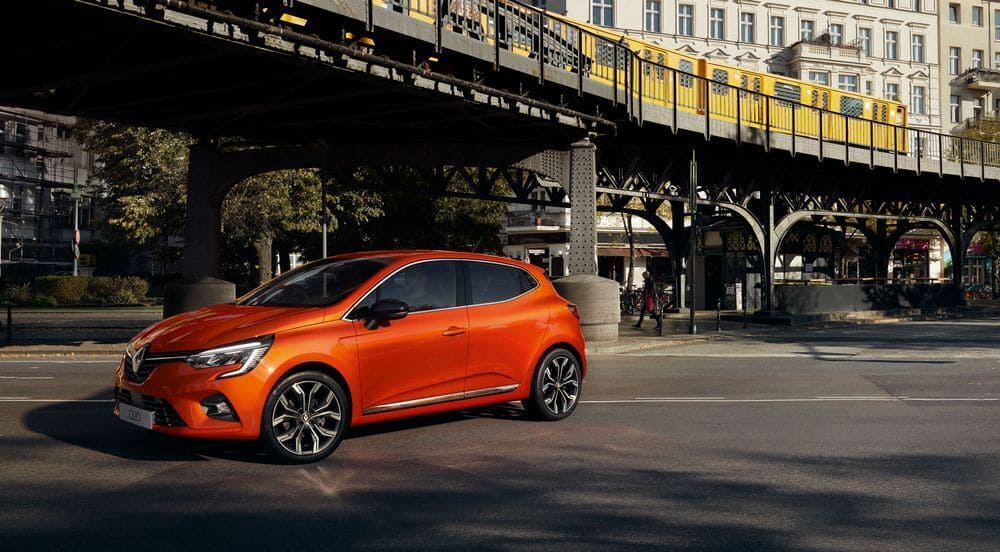
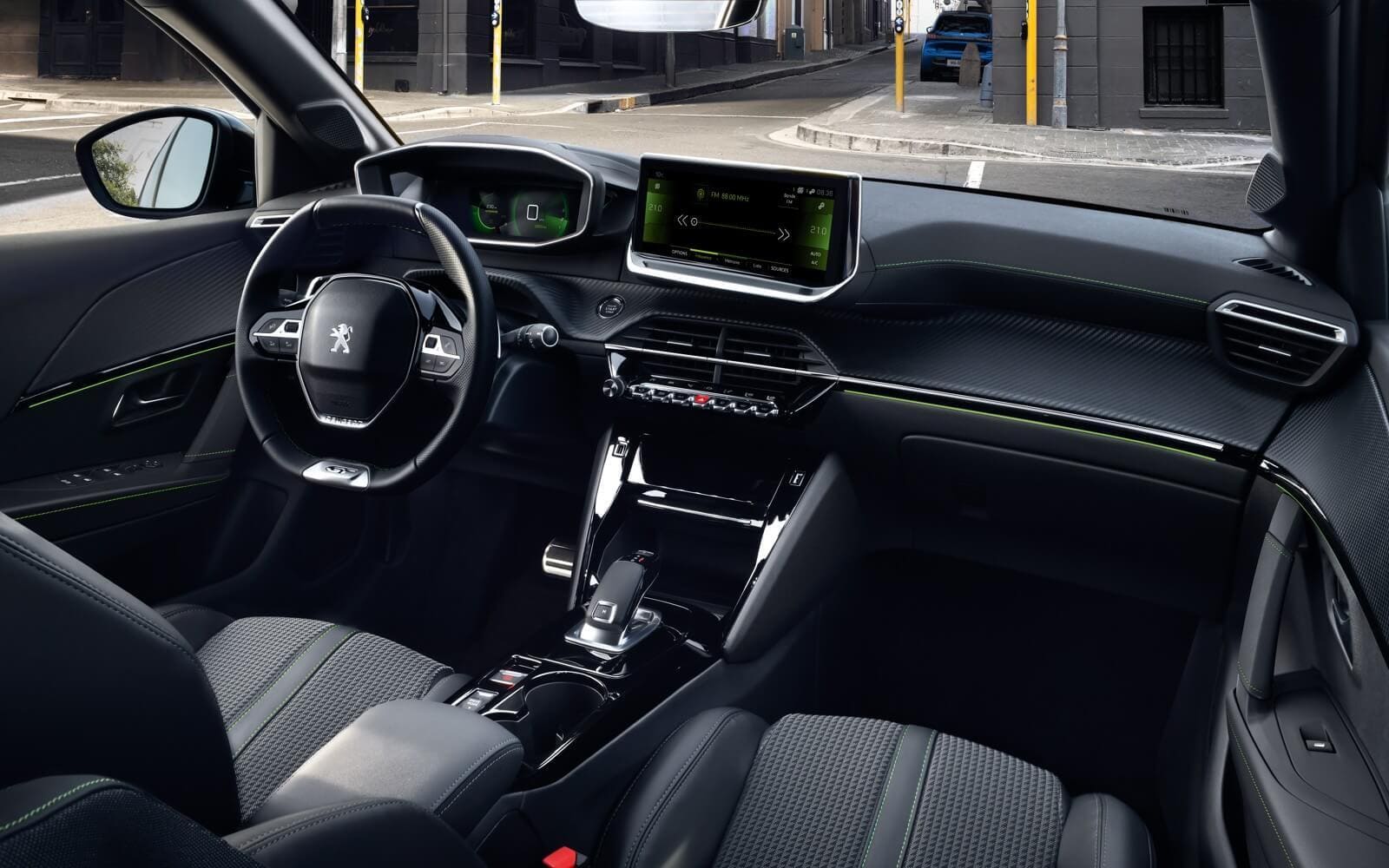
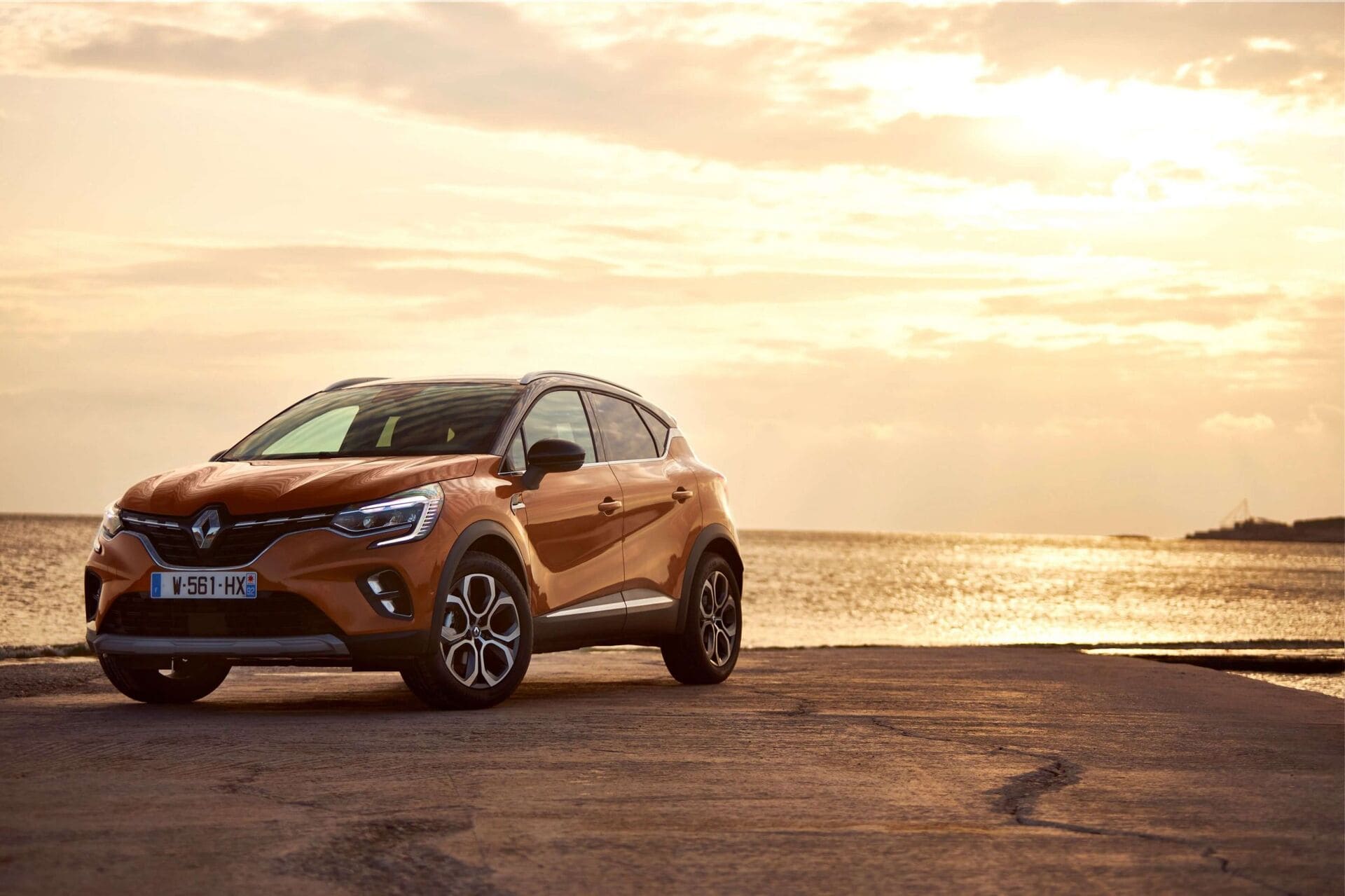
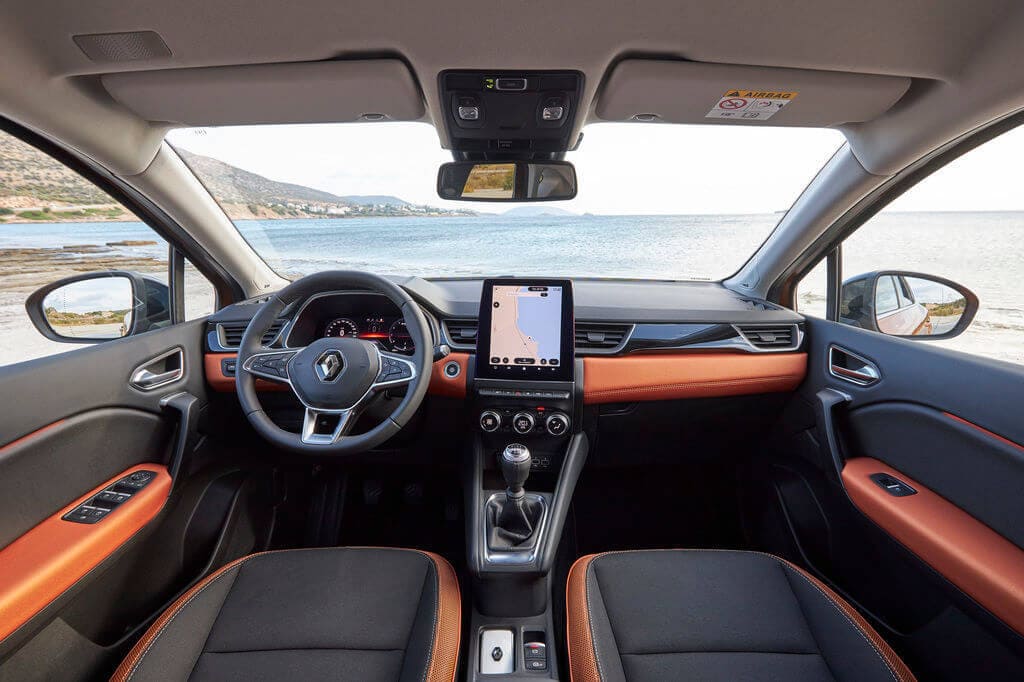
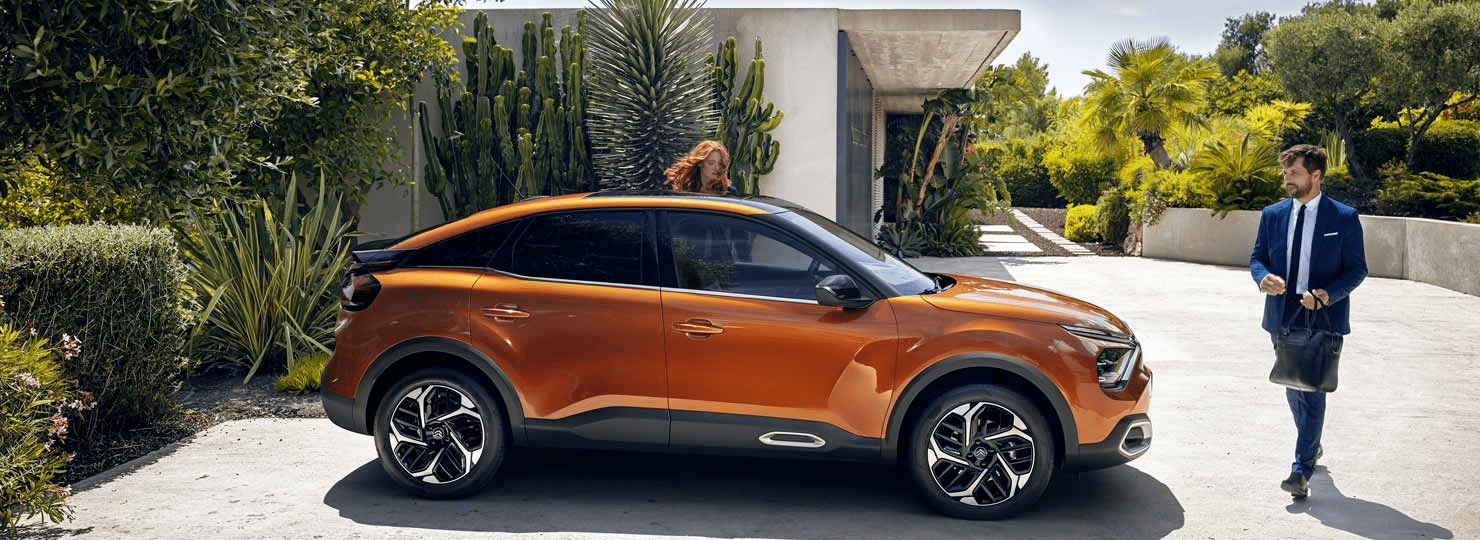
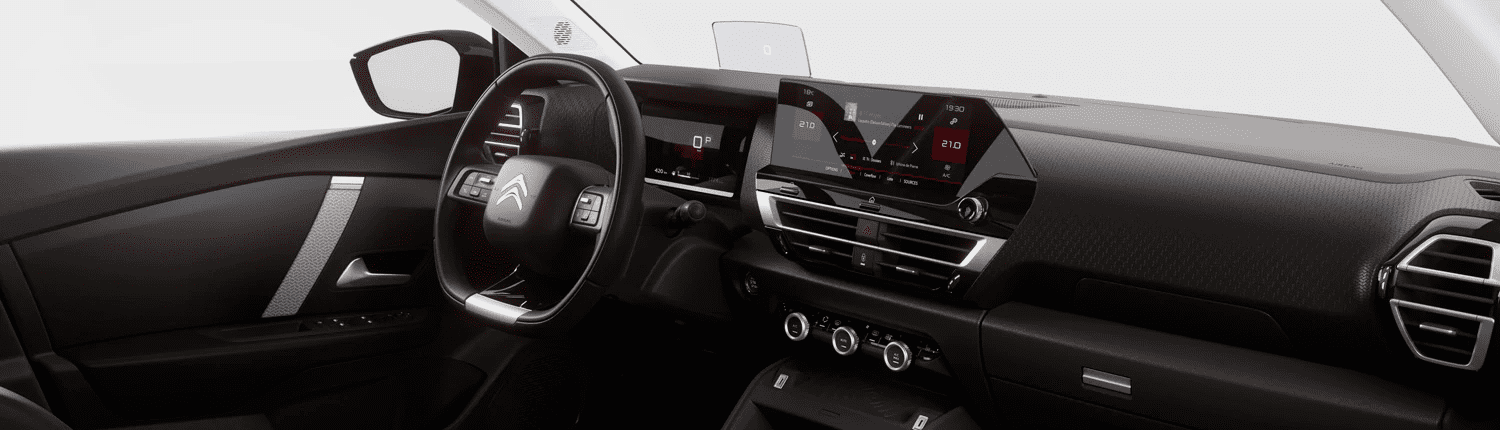
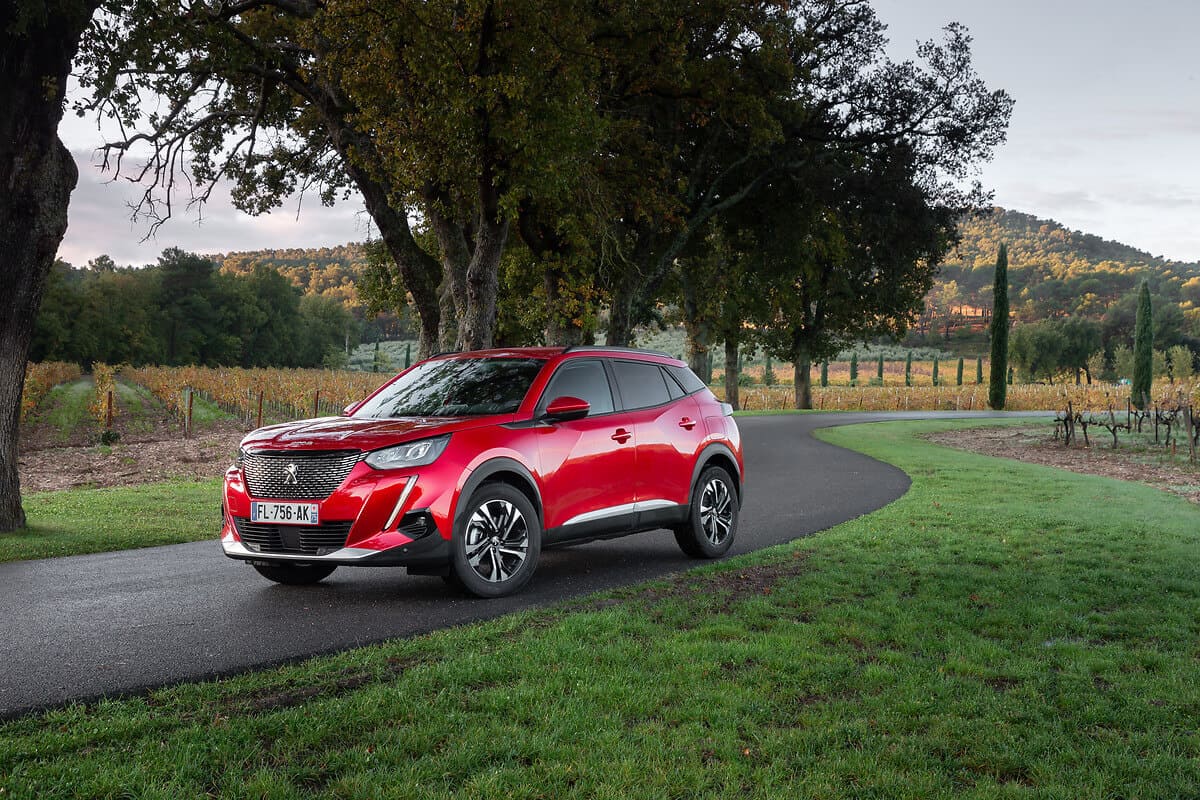
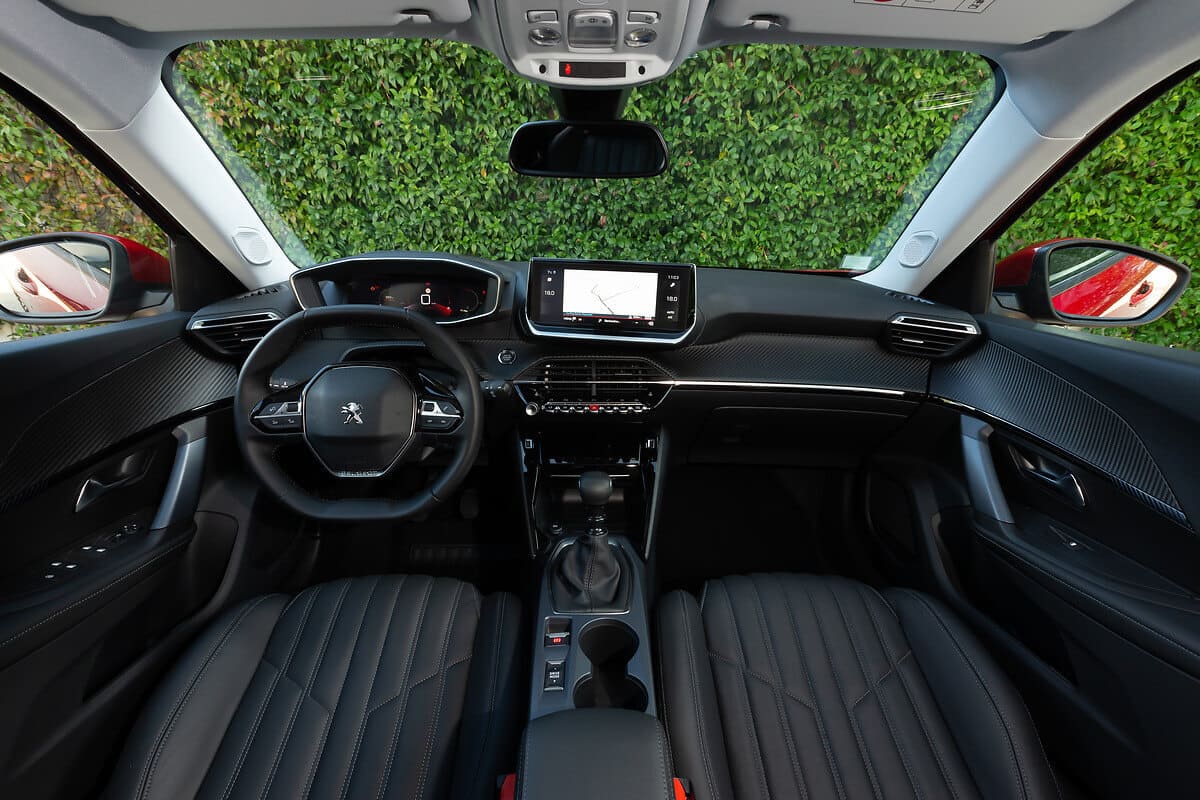
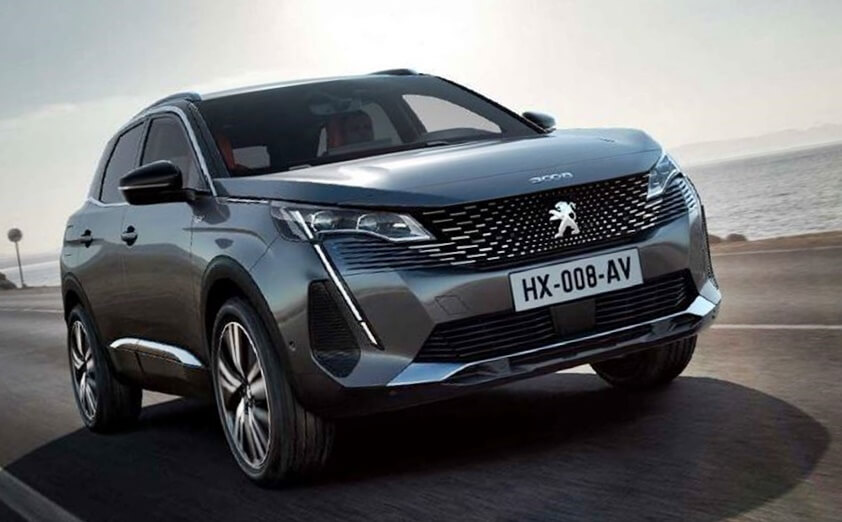
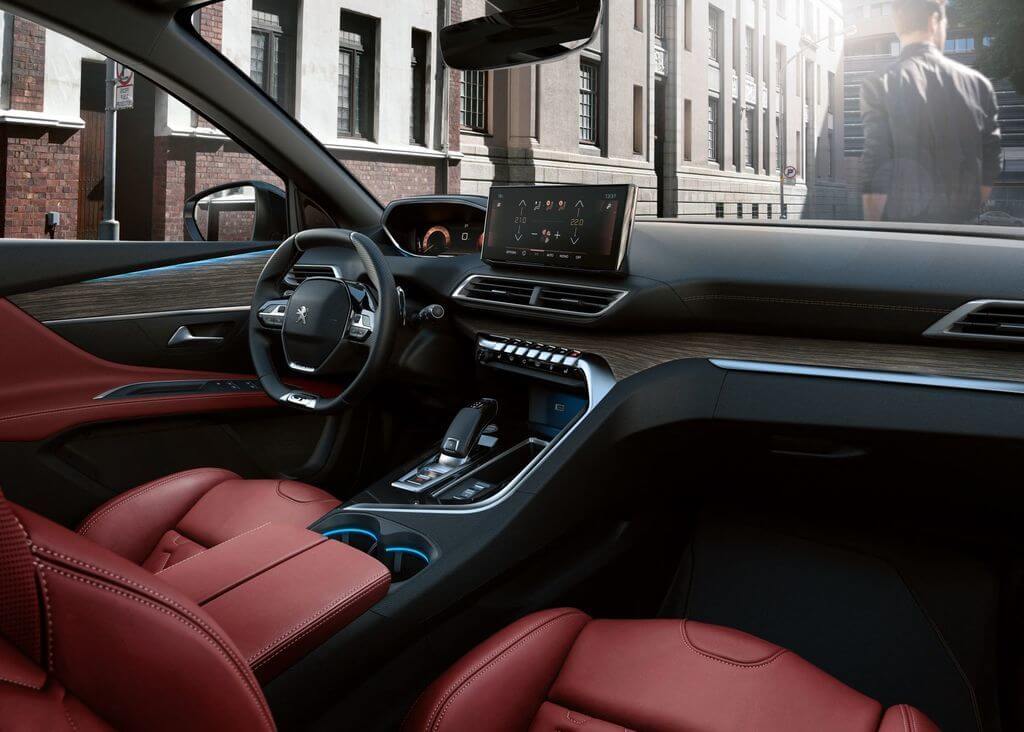
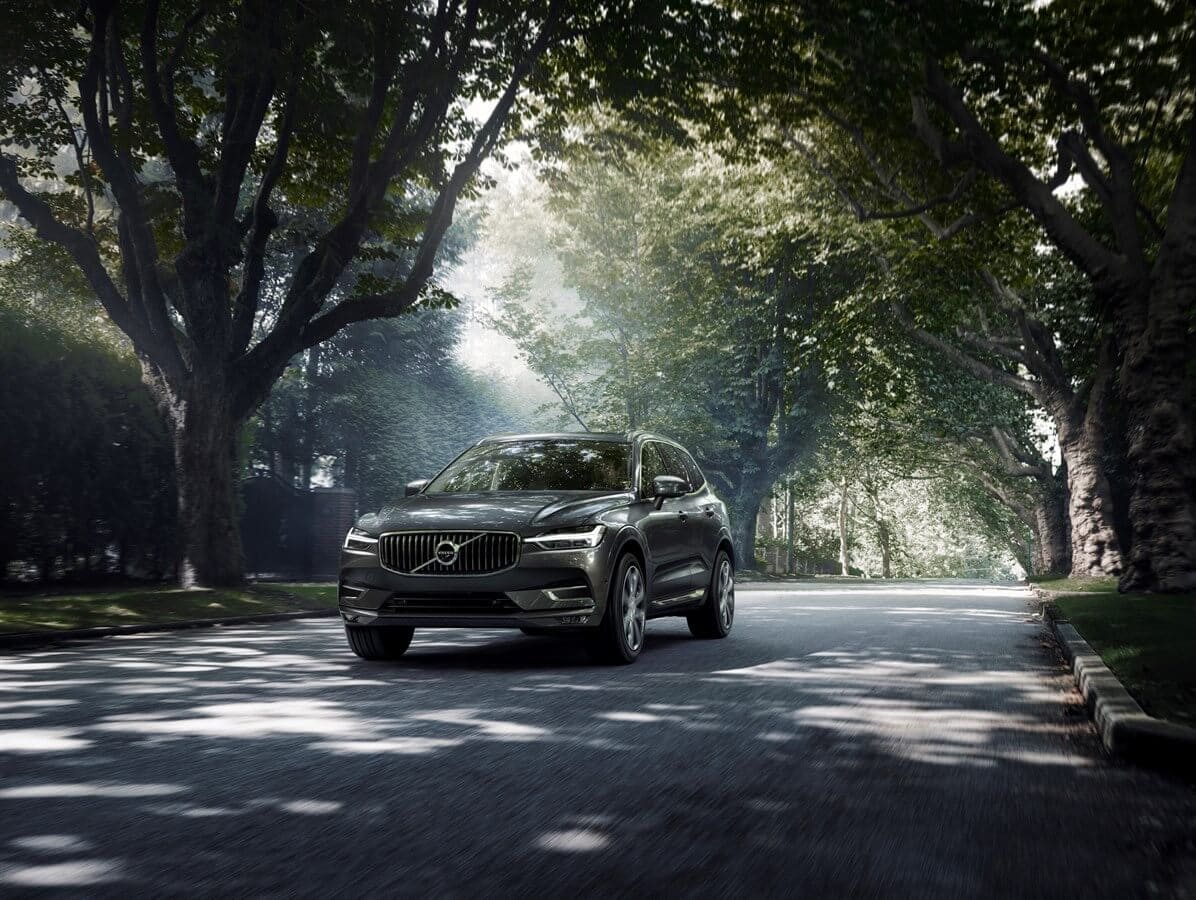
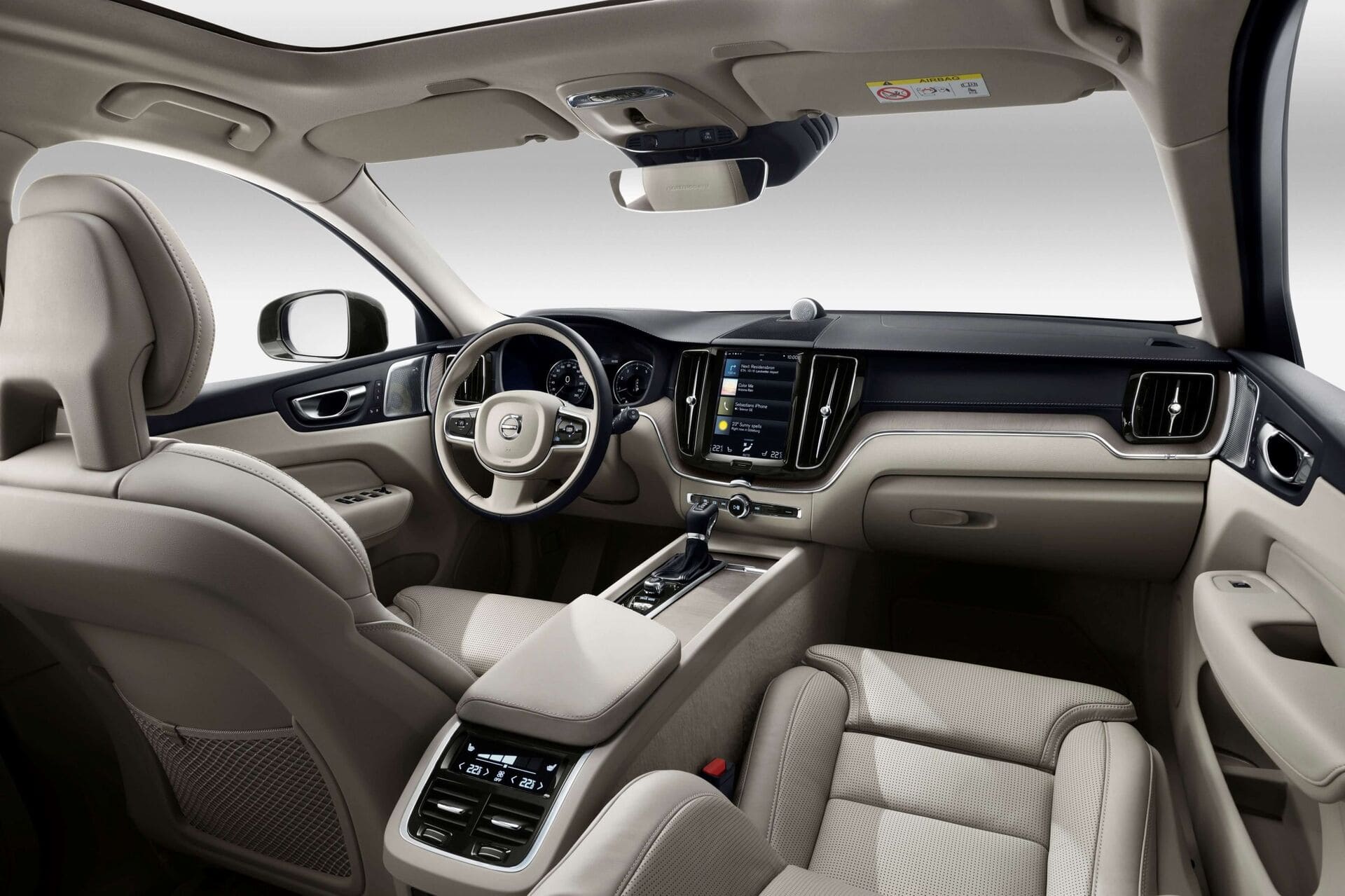
We also bring you a small taster of the vehicles you can start driving at the snap of a finger.